September 13, 2024
By Amal Dev
No Comments
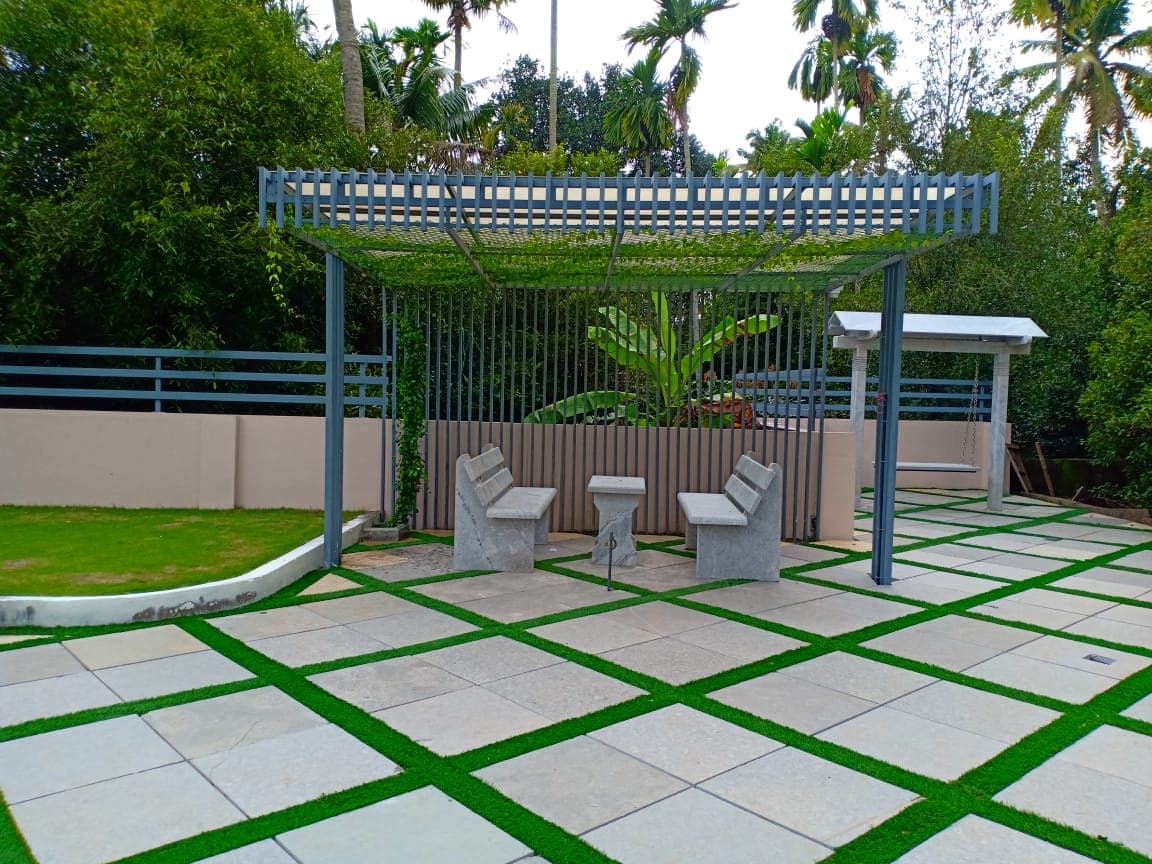
When designing an outdoor space, it's essential to strike the right balance between hardscaping and softscaping. Both play a crucial role in enhancing the aesthetics, functionality, and overall appeal of your yard.
Hardscaping refers to the non-living elements in your landscape, such as patios, walkways, retaining walls, decks, and decorative stone features. These structures add stability, define spaces, and improve accessibility. Hardscaping requires little maintenance and can withstand harsh weather conditions, making it a durable and long-term investment.
Softscaping, on the other hand, involves the living elements of landscaping, including plants, grass, flowers, shrubs, and trees. It brings natural beauty, freshness, and ecological benefits like improved air quality and soil health. Softscaping allows for seasonal changes, making your yard dynamic and vibrant throughout the year.
The ideal approach depends on your preferences, lifestyle, and maintenance capacity. A balanced combination of hardscaping and softscaping often works best—using hardscape elements for structure and functionality while incorporating softscape features for a natural and inviting atmosphere.
Share this:
Published By
Amal Dev
Design Expert
Our experts share insights and latest trends from the landscaping and construction world.
